This is a history of Complex Numbers - Ambient & electronic music from 1994
Created firstly via Altoona Records, then Aldeby Studios - then onto more modern days!
Making music in 1994 wasn't as easy as it is now because few computers could even record or edit music. The only option was to either use an existing studio, or try to create a home based studio - but the equipment required to do that was usually very expensive!
There was however quite a lot of good used equipment about: varied synthesizer, mixing desks, midi sequences etc - but the main problem was finding a 'master recorder' to record tracks on and mostly it was then via some sort of open reel analogue tape method like a Fostex, Revox or Tascam machine, or by using smaller cassette based multi-tracks.
Analogue recording almost always produced tape 'hiss' BUT the more costly the recorder was, the less background noise there would be and using a quality tape helped too.
CD 'stand alone' or computer based recorders initially were unaffordable, but slowly lower priced digital recorders did start to enter into the market - mainly with the DAT format, and then Alesis revolutionised the entire industry with their new ADAT multi-track recorders, all were new ways of getting music recorded digitally.
Digital recorders didn't suffer from any tape hiss or background noise, as although recordings used a tape the digital recording method totally eliminated any noise - however unlike analogue recording (where generally audio levels could 'peak' into the red without any problems) with digital there was a fixed headroom level and so any 'over peaking' of the audio signal would result in bad distortion or 'clipping' of the recorded signal.
Samplers (a way of digitally recording short audio segments) made an entrance on the music scene too, Akai was one of the major manufacturers but again technology at that time was very limited compared to today (a maximum sample time was about 10 seconds!) and extra memory to increase sample time was very expensive, plus everything could only be saved onto 3.5" floppy disks - so although OK for small digital MIDI files, there was no way of saving bigger samples or indeed actual songs as the .wav format was too large (and you had to have a Windows 95 or 98 computer for that - but they were slow, the mp3 format hadn't been invented and few computers were fitted with optical storage drives.
ALL analogue tracks * here was thus created WITHOUT using a computer!
* Analogue mastered *
(The quality of source material on some tracks will be lower than modern digital standards)
That's why the name 'Complex Numbers' was chosen - as for each tune created it was quite a complex process getting all the tracks done correctly (programming the required drums, arranging all of the required sounds often with synthesizer programming involved too, adding live additions such as effects and samples - controlling the mixing desk and the muting/audio levels - usually when running 32 tracks at once!
A stand alone MIDI digital sequencer (the Roland MC50) was used for drums and drum loops, general synthesizer and sampler control and also mixing desk MIDI muting.
Three MC50 units were used in the studio sync-linked via their Tape Sync II connections (operating as 1 master unit, with 2 following slaves) and each wired to MIDI equipment via an Akai ME80P MIDI patch panel.
With the MC50's all sync locked together and the 2 large multitracks also acting as one unit (despite being two machines!) sync issues were rare, although now and again there was a MIDI 'hitch' and either the process totally stopped midstream, or a note got stuck! - however mostly all the equipment despite being made from varied manufacturers worked very well together and enabled not only unique sounds to be made, but also a special way of layering tracks and creating varied effects too.
Roland synth equipment was used quite a lot, especially the JD800 which allowed easy sound variations (due to the amount of panel knobs and switches!) and another synth favourite were Kawai, mainly the K4 which also despite not having external knobs as the JD800 did allow for easy patch changes plus varied sound variations too. An example is the seashore effect in Underwater part 3, while the multiple drum patterns that the K4 could also do were very good and Polina plus other tracks benefited from that greatly!
An Akai CD3000i was mainly used as it was very easy to resample via the internal optical CDrom drive and with the modification it also had the inputs for general sampling too. The cost saved on buying that model then allowed for better memory expansion. It worked well with the MC50 which could firstly map keys for sampling use (by using a single setup disc), and then trigger samples live during a mixdown from the recorded data, synched to the synth outputs and all controlled via the ME80P patch panel.
Initially there were some sample triggering delay issues. Amtrak-mix3 was originally 'not for production' (due to late triggering of samples!) but as it had such a unique base sound, despite the sample faults that track was left 'as is' and not redone again so is included in the archive. Once more the K4 allowed special 'train track' drum beat programming that was required for the tune.
The audio output from the synthesizer's was often simply recorded 'live' through the main mixing desk and then to a 1/4" analogue 2 track tape, but as that method had limitations for re-recording (only 2 tracks) later material was recorded onto multitrack professional recorders - firstly by using two 1" Tascam multi-track tape machines (a MS16 and a 8516B) both sync-linked and locked together with a Tascam ES50 to give 32 tracks.
Audio effects were mostly handled by the amazing Ensoniq DP4, a 4 channel rack unit that could be easily MIDI controlled, with other effects assisted by use of the mixing desk.
Mastering was initially done to analogue 2 track tape, but DAT was then used as the quality was better, but also optical too (as safety backups) or for easy re-sampling.
Getting the Complex Numbers archive online though hasn't been easy - even DAT masters (after only 10 years) haven't held up very well, despite good storage.
Several problems were found, digital noise in the form of 'pops' and harsh distortion appearing on the digital tape - or worse where one DAT simply snapped - and the tapes did appear to be very fragile despite being of a high quality make (Ampex) when bought.
Analogue tapes also proved a challenge when accessing the archive, however apart from a few dropouts, channel track fading problems (and the background tape hiss) they actually have appeared to age far better than the Digital Audio Tapes did, begging the worrying question about digital decay or bit rot with modern types of storage media.
Analogue (usually) will always play. Even if the tape is damaged it's still possible to repair and if it snaps it can be easily spliced together again - but digital media can be very problematic, it can't easily be put back together again and it's interesting that while digital was held as a far better format than analogue (so everyone switched) it's now the older analogue format that actually has survived time better (and the tape machines today also still work!) whereas many of the modern digital machines have either broken or like some DAT's or ADAT's have gone so out of alignment they need servicing before use.
Digital it seems is great for the short term and for general editing and recording is superb - but it can't be trusted 100% for full archiving in my view, unless mass copies are constantly made to ensure a reliable backup - and having accessed Complex Number's archive it was quite shocking how BAD digital masters were (after only 10 years!), which was really quite worrying - whereas the tracks archived on analogue tape were in much better shape.
To restore the archive a computer was used to fully restore the material and then convert the tracks into the modern mp3 format that's widely used now.
Also studio 2 track tape backups were often run at double speed and then recorded to DAT, as it was assumed in the future a full track could be sampled by a computer and then digitally slowed down to restore the track at the correct speed without losing any of the quality, as the tape machines were best run at high speed but could not have tracks recorded this way as the tape would simply run out, as it wasn't long enough. This advance planning worked well with many tracks which were quite poor quality in realtime, however the hispeed DAT save produced a far better result when computers could take in the entire track, which was of course impossible to do at the time!
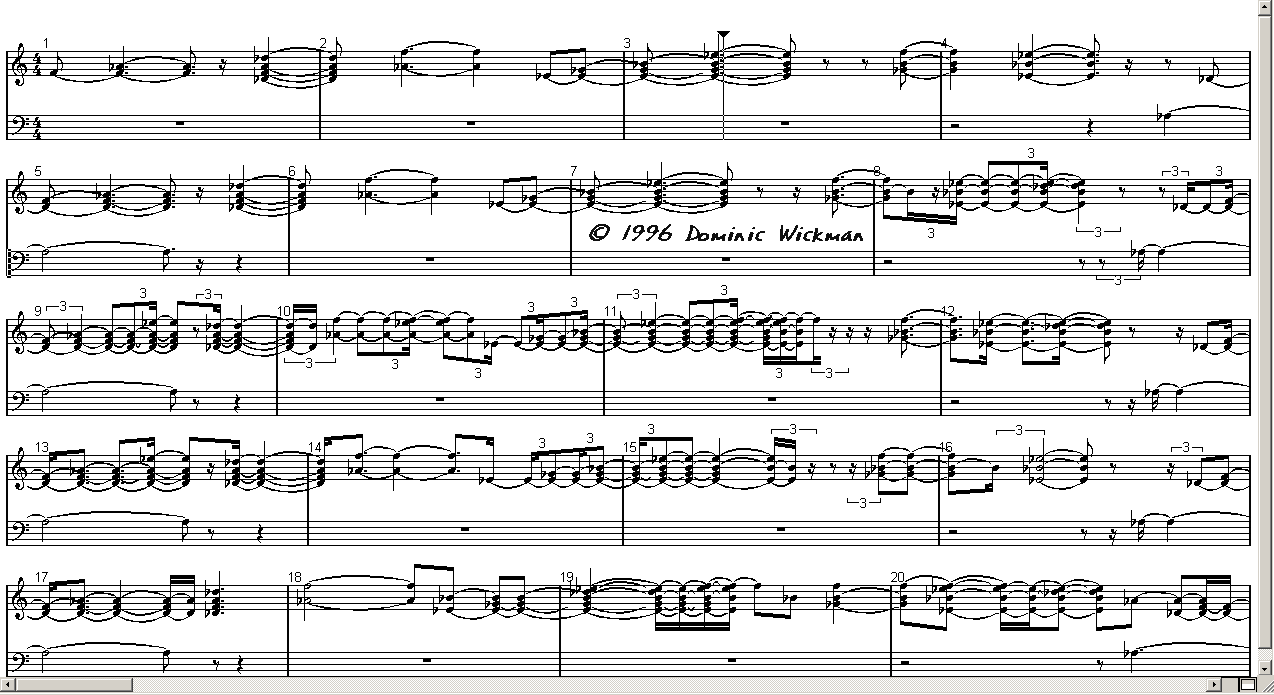
In addition with modern technology - by sending stored MIDI song data from the MC50 into special software, it's possible now to print a track's score and the above screengrab (from the Amber tune) shows not only how technology has advanced, but also how score sheets from the original music can be printed off so then anyone can play it!
It is also amazing that the little MC50 system still functions very well (as do the old MF2DD floppy discs where all of the original song data is still stored) - unfortunately getting this saved data into modern computer systems isn't easy (due to the differing disc storage system) - but conversion is being worked on and it's hoped more score sheets or indeed new variations of tracks could be done in the future, as many of the base controls from each track came from the MC50 system.
Anyway, all tracks currently available from Complex Numbers are now available here (as free downloads!) and because distribution of music is much easier with the internet, hopefully you'll enjoy listening to the single and also the album tracks (tagged for the modern age of mp3!) but please note that due to the age of the source material on some tracks the quality will be lower than modern digital standards.
In addition with the rise of computer based recording the once highly expensive ADAT's costing over £3000 have totally price-crashed, as everyone uses computers to produce music. Sad in a way the ADAT has become obsolete so quickly. When they were first available not many could afford to buy them (due to the high cost!) so studios stuck with the older analogue tape format, but although older digital recorders are hardly used now (since the advancement of computer recording methods), analogue tape recorders are still holding value and are even being dusted down from deep storage or just returning to the studio lineup for the warmth and bandwidth of the recording.
Rather like when the CD replaced tape or records, vinyl records are now returning again!
As digital music changed the industry and it's possible for a composer to 'do it all' (without now requiring a large commercial studio setup), if you enjoyed the CN music archive then watch out for new tracks that will be available soon, or some older archive tunes which have been finally restored with the help of modern technology to an acceptable listening standard!
All new material for CN is recorded, edited & mastered via computer, but prefer to still use a very old system, running good old Windows 98 or XP however am returning to tape and studio gear again once more as I think the results are better than generated by any PC.
(No doubt if you're of a certain age you'll remember that, but if young you possibly will have absolutely no idea what I'm talking about!)
Here's to the future, I do hope you enjoy the mp3 music I created
- and if you did.... check back again for any  releases and updates below.
Dom
(Complex Numbers composer & © holder)
New studio news/updates!
As of now in June, work is commencing to create another classic studio just like I had in '94 with analogue tape, a full size mixing desk and various synths. Of course getting the equipment now is problematic because although easily obtainable (unlike in 1994!) most of this retro classic gear has many issues and needs restoration or repairs to function properly. This isn't a problem for me as thanks to a 4 year BTEC ONC via Lowestoft college (way back in 1984!), having knowledge of electronics/engineering enables fixing, restoration and repairs to vintage equipment.
I'm very fortunate to have acquired a SONY digital 24 track 'DASH' multitrack tape machine (ex. Pinewood Studios!) plus a few 2" tape multitracks, 2x 24 tracks and 2x 16 tracks as well as a Fostex DAT and other gear.
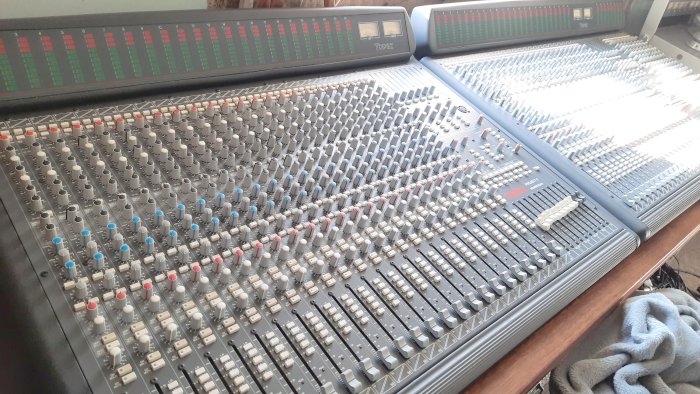
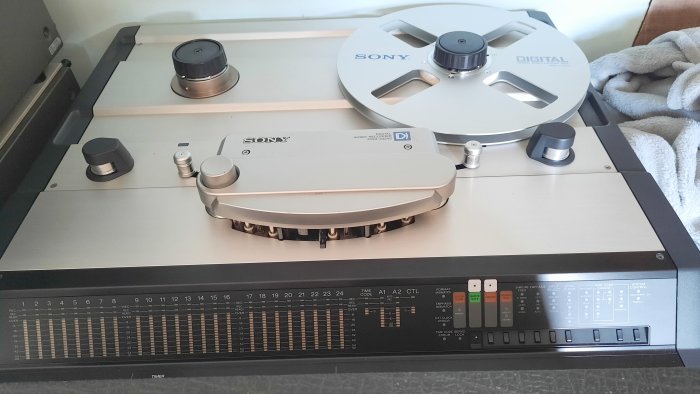
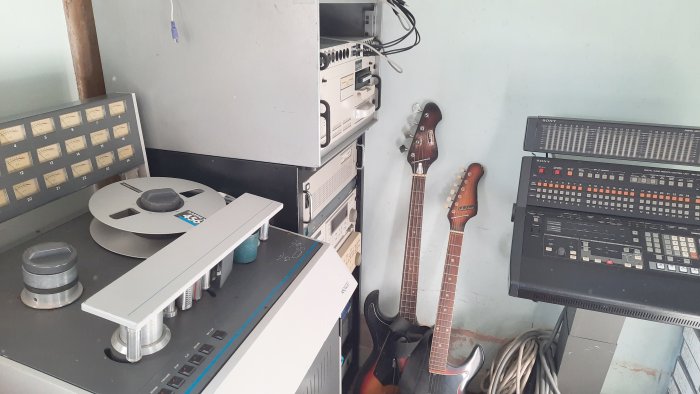
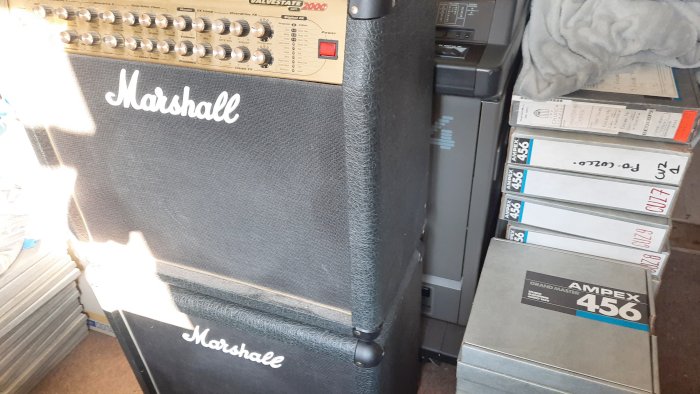
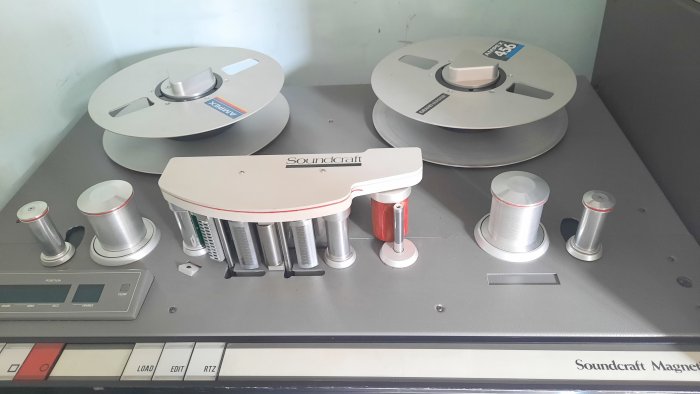
Update - 26th June '26 - the SADIE digital PC based recorder was powered up after a long sleep!
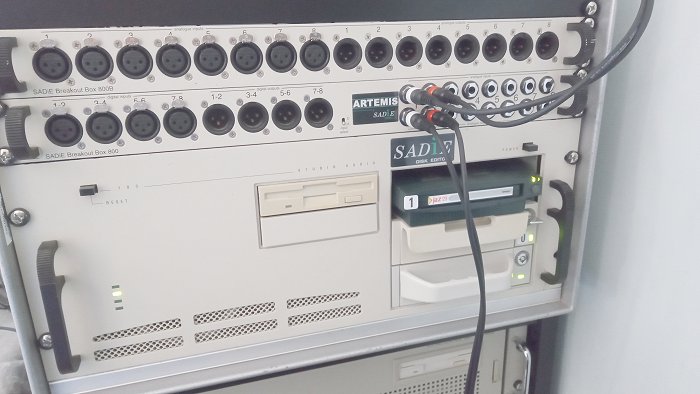
Bootup was ok...
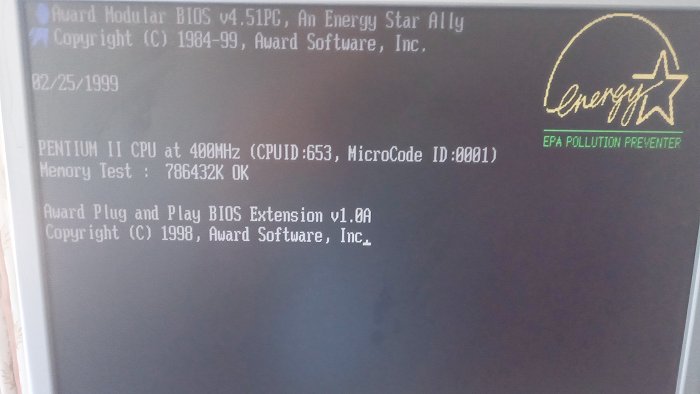
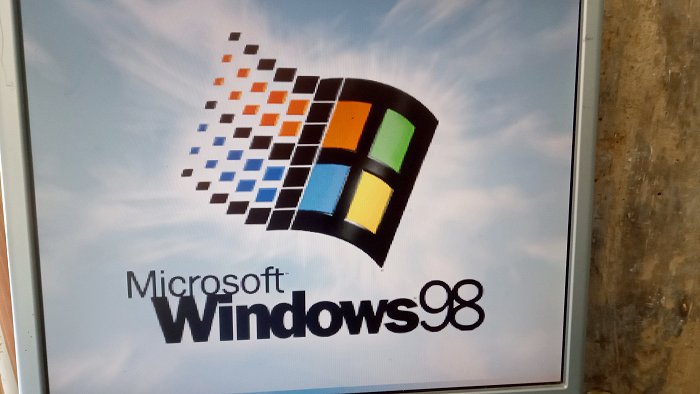
The Windows 98 logo appeared! Always a good sign....... rather than a bluescreen of death!!
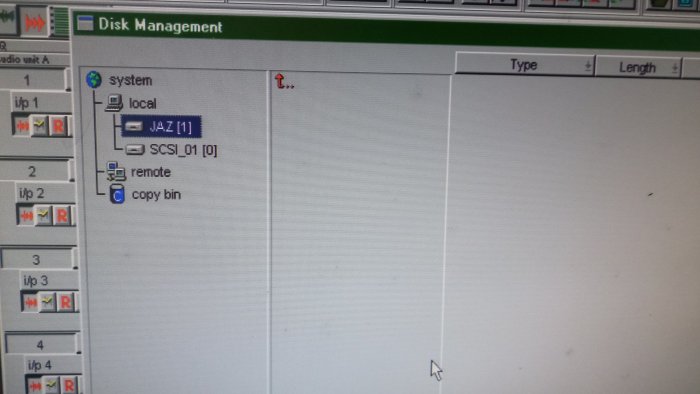
The windows system is Aok - checking the SCSI Sadie disks, they all appear to be just fine
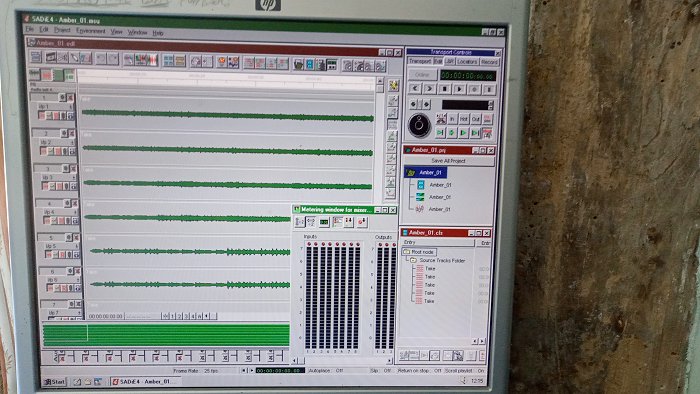
The Sadie software is ok - loads an old file and plays so everything seems to be just fine :)
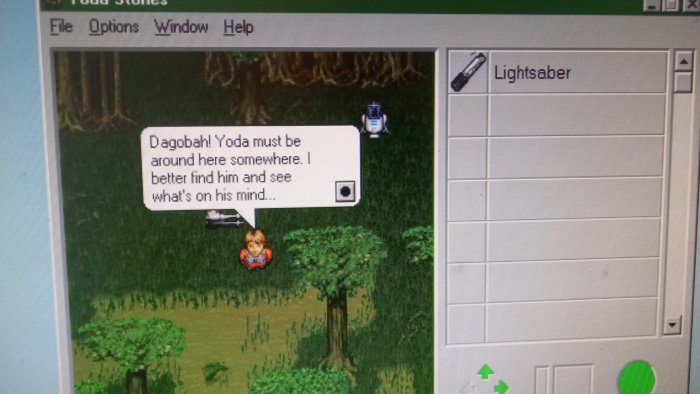
Even the vintage Yodastories game is working too!!
UPDATE: 9th July 2026
Finally wired up the SADIE 8 track PC system, plus the SONY digital 24 track 'DASH' multitrack tape machine to the Soundtracs TOPAZ 32 channel desk (which needed some repairs as dead on several channels), but now all fixed :)
Here's two videos firstly of the Sadie and DASH running (track) AMBER mix7, plus a look at a classic Windows 98 defrag process!
Sadie and Sony digital 24 track DASH test through the Soundtracs TOPAZ desk
Sadie PC classic Windows 98 defrag!